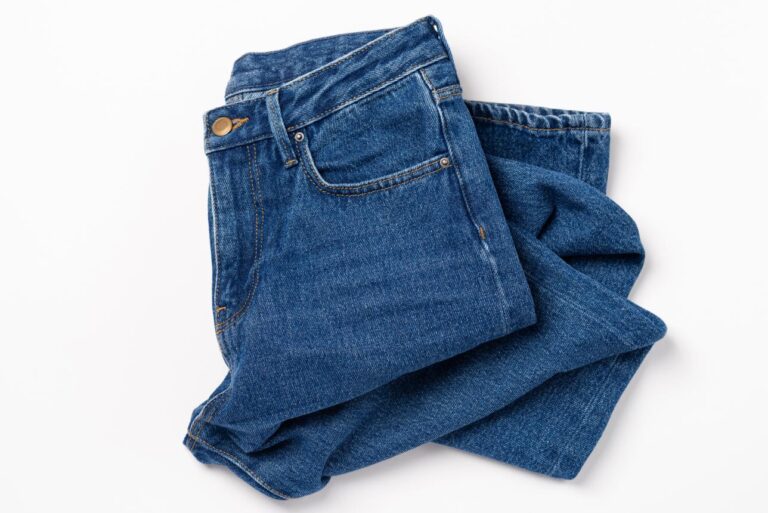
How Denim Sampling Works: From Tech Pack to Bulk Approval
A denim sample is not one thing. It is a series of garments made at different stages, each answering a different question. Most of the frustration buyers describe — “the sample was fine but the bulk was not” — comes from expecting one sample to do the work of three.
This guide covers what each kind of sample is for, what has to be settled before one is cut, how to review it, and what approval actually authorises.
The Three Kinds of Sample
A fit sample exists to test shape and measurements. It may be cut in a substitute fabric, because at this stage the question is whether the pattern produces the silhouette you want, not whether the final cloth behaves.
A salesman sample exists to show the product — to a buyer, a retailer, an investor. Appearance matters more than measurement precision, and it is usually made in the final fabric and wash.
A pre-production sample exists to be matched. It uses the production fabric, the approved wash and the actual trims, and its purpose is to be the physical reference that bulk is compared against.
Judging a fit sample by the standards of a pre-production sample — or the reverse — produces the same result either way: a garment that is neither approved nor rejected, and a second round that could have been avoided.
What Has to Be Settled Before the First Sample
A sample can only confirm decisions that were made before it was cut. If the brief leaves a detail open, the sampling room fills the gap with a default, and the review turns into a discussion about something nobody decided.
The details worth locking first are covered in what to confirm before the first jeans sample: the base size, named points of measure, fabric availability, the priority within a wash reference, and which trims are real rather than placeholder.
The document those decisions live in is the tech pack. For the structure of that document, see the garment tech pack guide.
How to Review a Sample When It Arrives
A review is not a judgement of whether the garment looks right. It is a check against the specification, point by point: measurements at the agreed points, fabric against the approved reference, wash against a physical standard rather than a photograph, and construction against the stated details.
The sequence and the specific checks are covered in evaluating a sample before bulk production. The short version is that a chart without a tolerance cannot be inspected against, so the review has no pass mark to measure from.
Approval, and What It Authorises
Approving a sample is not a comment on its appearance. In most production arrangements it releases the supplier to book fabric, order trims, reserve machine time and begin cutting — steps that are expensive or impossible to reverse.
That distinction, and what should be signed off at the same time, is covered in what to approve before bulk production. The practical point is that approval should be written, dated, and attached to a physical sample held by both sides.
Where Cost and Quotations Fit
Sampling and quoting are not separate conversations. A sample fee is usually quoted alongside the unit price, and whether it is credited against the order is a commercial term, not a technical one.
How the development cost behaves at small volumes is covered in what drives jeans manufacturing costs, and how to compare quotes on the same basis is covered in comparing quotations.
A Sampling Sequence That Holds
For most first orders the sequence looks like this: settle the brief, cut one fit sample, review it against the chart, correct the pattern, cut a second fit sample if the first moved significantly, then move to a pre-production sample in the production fabric and wash.
Each round should answer a question that the previous round could not. If two rounds answer the same question, the brief was not specific enough the first time.
It is also worth agreeing in advance how many rounds are included, and what happens beyond that number. A supplier who states a figure is easier to plan with than one who says “as many as needed”.
Work With BlueForm Apparel
BlueForm Apparel works with brands on private label and OEM/ODM denim development in Dongguan. Most of the value we add sits before the first sample — reading the brief, spotting the gaps, and saying which details still need deciding.
If you are preparing a first sample and are not certain what still needs to be settled, send the brief or the reference garment details. We will tell you what is missing before anything is cut.
Contact BlueForm Apparel with your style, quantities and any reference material you already hold.
Your Next Denim Project
Let's Discuss Your Denim Requirements
Share your styles, quantities, fabric, wash and branding requirements with BlueForm Apparel. Discuss wholesale, OEM, ODM and private label options for your project.
Discuss Your Project